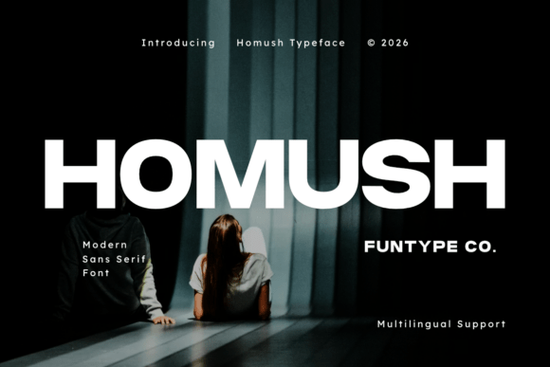
If you're looking for a modern sans serif font that stands out without feeling overdesigned, Homush Font is worth your attention. It’s not flashy or experimental it’s clean, wide, and confidently grounded in geometry. That makes it especially useful when you need strong visual presence at a glance: think t-shirt chest logos, tech product labels, or bold website headers that don’t rely on effects or extra styling to hold attention.
What kind of projects does Homush work best for?
Because of its extended character width and balanced weight distribution, Homush shines where space is limited but impact matters. It reads clearly even at smaller sizes on apparel tags or mobile screens, and holds up beautifully in large-format prints like posters or banners. Designers using it for streetwear brands often pair it with minimal layouts no gradients, no shadows and still get a polished, intentional result.
It’s also a practical choice for small businesses launching their first branded merchandise line. Unlike some display fonts that look great in mockups but fall flat in real-world print, Homush translates well across fabric, vinyl, and packaging materials. Its OTF and TTF formats mean it works smoothly in Cricut Design Space, Adobe Illustrator, Silhouette Studio, and most POD platforms like Printful or Redbubble.
How does Homush compare to other modern sans serifs?
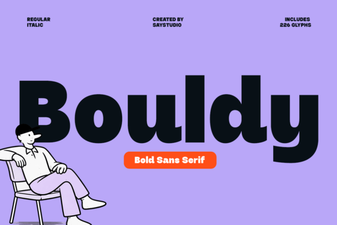
Compared to fonts like Bouldy, which leans into rounded friendliness, Homush feels more architectural precise, uncluttered, and quietly authoritative. It shares some structural DNA with Grandeur, but avoids the ultra-condensed proportions that can limit legibility in short-form branding. And while Spring Spirit offers a lighter, airier rhythm, Homush delivers consistency across weights and sizes without sacrificing warmth.
You’ll notice this difference most when testing combinations. For example, pairing Homush with a simple serif like Lora or Playfair for body text creates clear visual hierarchy something that’s easy to overlook until your logo looks weak next to paragraph copy. That balance is why crafters building cohesive brand kits (logos, social posts, packaging) often return to it.
Is Homush suitable for multilingual use?
Yes and that’s a real time-saver if you’re designing for international audiences or diverse local markets. It supports Latin, Greek, Cyrillic, and extended Latin characters (including Vietnamese diacritics and Turkish dotted i). So whether you're labeling organic skincare products for EU retailers or designing bilingual event posters for a community center, you won’t need to swap fonts mid-project.
This multilingual support isn’t just about coverage it’s about spacing and rhythm staying consistent across languages. Some fonts handle accents by awkwardly stretching letters or compressing spacing; Homush maintains its confident stance across scripts. You can see how it handles real-world usage in examples shared by designers on Homush Font.
Where does Homush fit in your font library?
Think of Homush as your “go-to strong voice” not the only voice, but the one you reach for when clarity and presence matter more than novelty. It complements softer options like Things (which has subtle hand-drawn texture) or Homush itself when you want contrast within the same family.
It’s not meant for long paragraphs or editorial layouts stick to headlines, logos, and short statements. But within that scope, it performs reliably. No kerning tweaks needed for standard English words. No guesswork with spacing on curved surfaces (like mug wraps or hat brims). Just install, type, and go.
One practical tip: test it early in your workflow. Try typing your brand name in all caps and lowercase side-by-side. If both feel equally solid and readable not stiff, not loose you’ve got a good match. That’s the sign Homush is doing its job quietly, without drawing attention to itself.
- ✅ Works in OTF and TTF across major design and crafting software
- ✅ Supports Latin, Greek, Cyrillic, and extended language sets
- ✅ Designed for high-impact use logos, apparel, packaging, digital headers
- ✅ Balanced width and weight means fewer manual adjustments
- ❌ Not ideal for body text or dense editorial layouts
Next step: Download Homush and try it on a real project not a mockup, but something you’ll actually print or publish. A simple Instagram story headline, a t-shirt front design, or even a business card. See how it behaves with your brand colors and layout style. If it feels instantly usable not “almost right” but right that’s usually the best signal it belongs in your regular rotation.
Get Started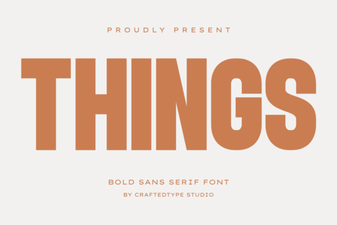 Crafting Projects with Things Font Design
 Bouldy Font for Designers: Modern Typography Toolkit
 Breakthrough Font Design Concepts & Techniques
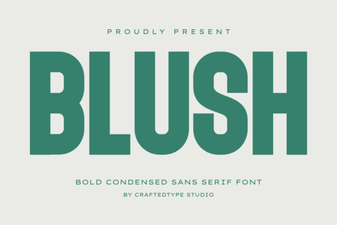 Discover Blush Font: Free Design Resource for Creative Projects
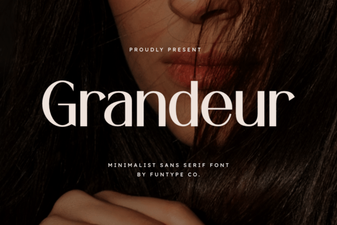 Grandeur Font: Creative Applications for Design Projects
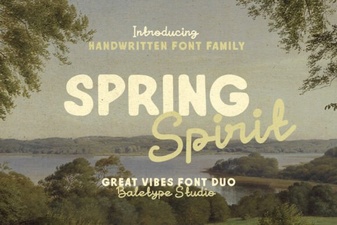 Bring Spring Spirit Font to Your Design Projects